1. Safety first
If anyone was stuck, cut or splashed, they wash with soap and water and get medical care. Then the crew prepares to work.
Evanston, IL · Cook County
Found a box of old syringes, soiled linens or a full sharps container in Evanston? Call (877) 812-4220 before anyone touches it. You get a cleanup team for the collection, hauling and disposal.
If anyone is in danger, call 911 first. For a suicide crisis, call or text 988.
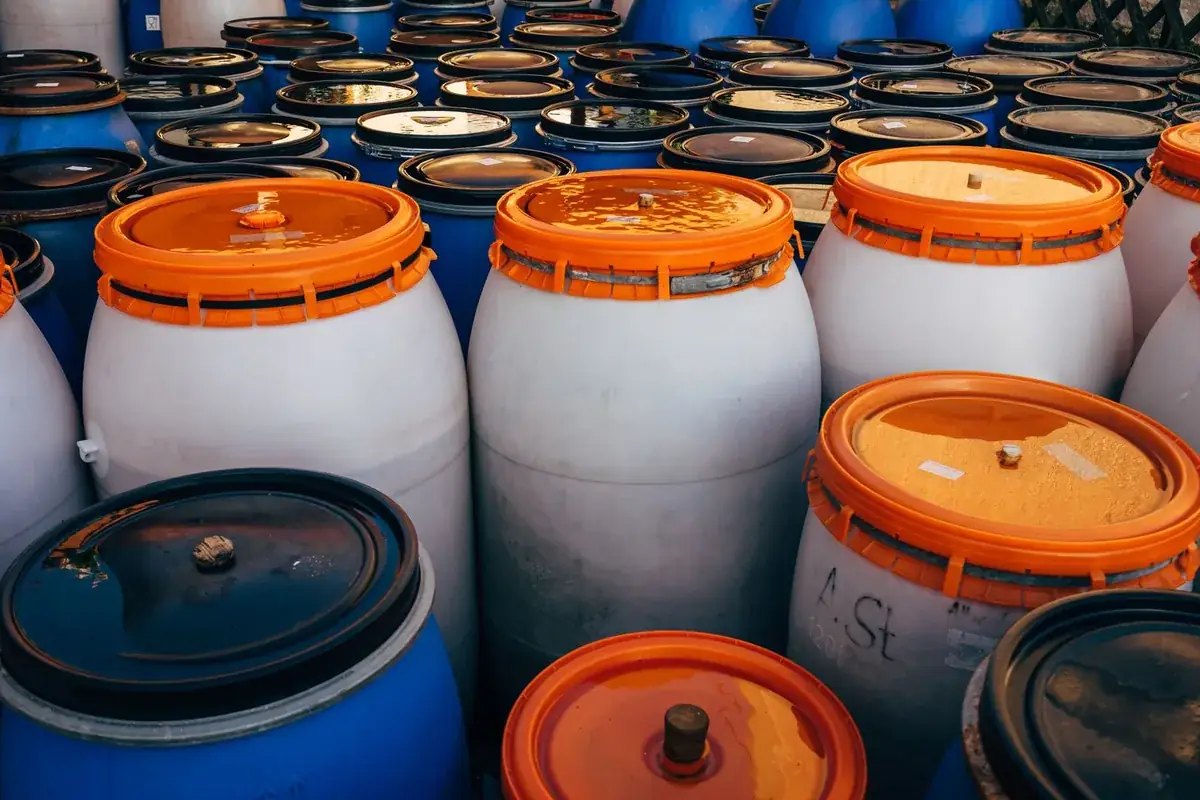
Biohazard material disposal is the final stage of a cleanup, where sealed containers leave the property and go to a facility that treats or destroys the waste. Each step of that route matters, because skipping one can leave a hidden hazard.
In Evanston and across Cook County, you can get medical waste removal for your family, rental or small practice with help from Evanston Biohazard Cleanup Help. Crews pack the waste in sealed, labeled containers and explain how it will be hauled and disposed of.
When many seniors live alone, as in Evanston where it is about 38%, used needles and dressings can be left behind with nobody to remove them. After a needle stick, wash the area with soap and water and get medical care. Northshore University Healthsystem - Evanston Hospital in Evanston is the closest emergency room to Evanston.
What medical waste removal covers:
If anyone was stuck, cut or splashed, they wash with soap and water and get medical care. Then the crew prepares to work.
Cleanup technicians use tools instead of bare hands to lift needles and soiled items into approved containers.
Everything leaves the property together. Disposal follows the rules for regulated medical waste in Illinois.
Surfaces where the waste sat are cleaned and disinfected. The owner can ask for a record of what was removed.
The cost of medical waste removal in Evanston, IL depends on the amount of material, how it is packed and how it is hauled.
One-time pickups and repeat schedules are priced differently. A clinic with regular sharps containers may set up a routine instead of paying per call.
| Type of job | Typical range |
|---|---|
| Medical waste disposal | $2 - $20 per pound |
| Small physician practice | $75 - $200 per month |
| Dental office | $50 - $175 per month |
| Regulated medical waste | $0.30 - $0.80 per pound |
Published ranges only (MedPro Disposal, Fixr); every medical waste removal job in Evanston is priced after an on-site look. Price drivers include weight of waste, type of waste, how often pickup happens, container and transport fees. Questions? Call (877) 812-4220.
Not exactly. A sharps container is a rigid, puncture-resistant box made for needles and similar items. A biohazard bin or bag holds other contaminated waste, such as soaked dressings. A cleanup team uses both and seals them for transport.
No. This page explains the process of medical waste removal. It is not medical, legal or insurance advice. For exposure or symptoms, contact a doctor or Poison Control, and for rules in your area, ask the local health department.
They are germs that spread through blood and some other body fluids. Hepatitis B, hepatitis C and HIV are examples. Workers who may come into contact with them are covered by the OSHA Bloodborne Pathogens Standard, 29 CFR 1910.1030.
Options depend on the amount and the place. Some counties and pharmacies have drop-off points for small household sharps. For larger amounts, clinical waste or items from a cleanup, a biohazard pickup service takes the waste to a proper facility. The local health department can describe local programs.
Medical waste is waste that may carry germs. Examples include used needles and syringes, dressings soaked with blood or bodily fluids, and clinical waste from a practice or lab. A cleanup team can look at what you have and explain how each item is handled. You do not need to sort it first.
Needles and soaked items should not go in household trash. They can injure sanitation workers and spread germs. Rules for small household amounts of sharps vary by city and county, so the local health department can say what applies. A cleanup team can take anything larger or anything from another person's care.
Tell the team what the waste is and where it is, and it will explain the next step.
Call (877) 812-4220